


Before reaching Singapore, the company’s processed chicken was already exported to Japan, Hong Kong (China), Cambodia, and Laos, with Japan alone importing 10,000 tonnes by November this year.
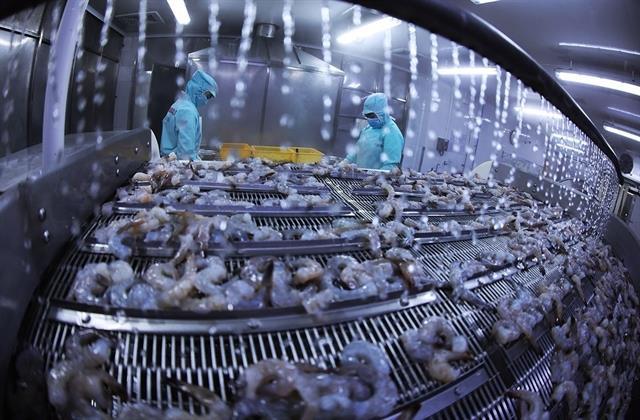
Exporters in Việt Nam are expanding into new markets with new aquatic product categories, helping the sector overcome global market volatility and achieve unprecedented growth in 2025.
Việt Nam’s agro-forestry-fishery exports reached more than $64 billion in January – October, representing a rise of 12.6 per cent and surpassing 2024’s full-year record of $62.4 billion, the Ministry of Agriculture and Environment reported on Wednesday.
With exports projected to reach $70 billion by the end of 2025, the year is set to be a breakthrough for the sector, highlighting its impressive progress driven by improved quality, standardisation and sci-tech application.
Việt Nam’s export of its first shipment of tilapia to Brazil is not only significant in terms of trade but also serves as a testament to the shared efforts of both countries to promote economic and commercial cooperation.
Featuring specialties from 34 provinces and cities, the exhibition highlights the diversity and richness of Việt Nam’s agriculture, from fresh produce and seafood to processed goods and iconic regional products. Visitors will have the chance to explore and taste “Made...
Although agricultural insurance was first introduced in Việt Nam in 1982, premiums continue to make up only a small fraction of non-life insurance revenue.
The General Council of Agriculture and Rural Development Vietnam held the 11th annual ceremony to honour the “Vietnam Golden Agricultural Brands 2025” in Hà Nội on Friday.
The Department of Industry and Trade of Tuyên Quang Province held a conference on October 16 to promote trade, foster business connections, and support the consumption of local products in 2025.
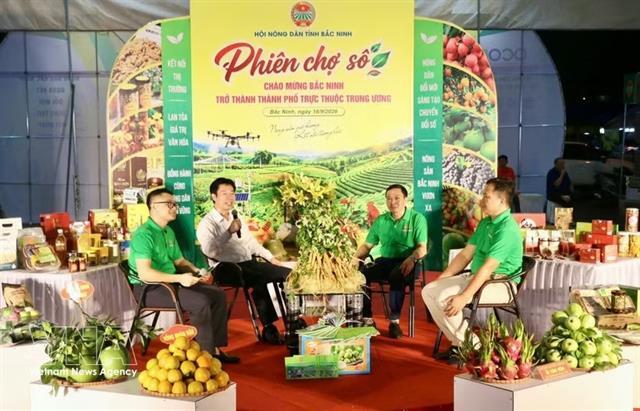
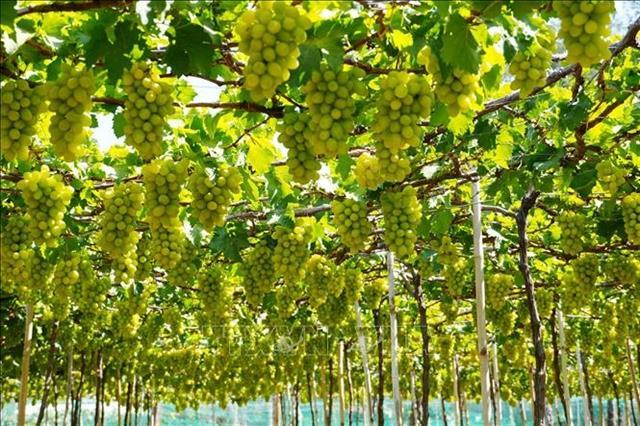
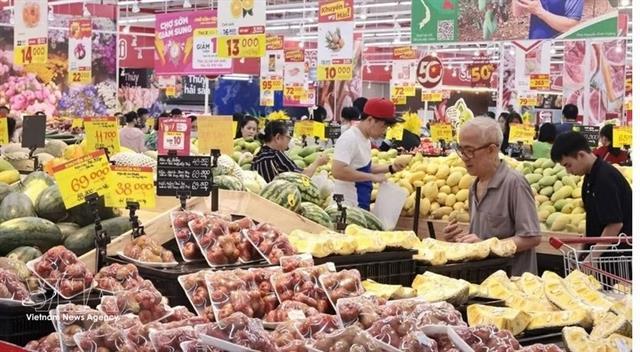
The displays feature rice, coffee, cashew nuts, pepper, confectionery, fresh fruits, processed fruit products and other organic foods. Products with international certification for food safety and hygiene, especially organic goods, have made a strong impression on visitors.
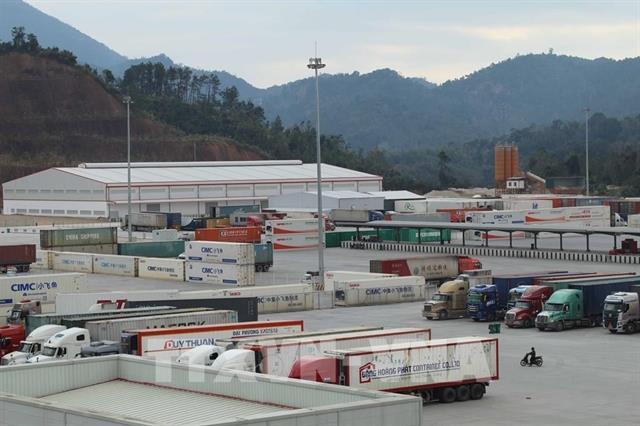
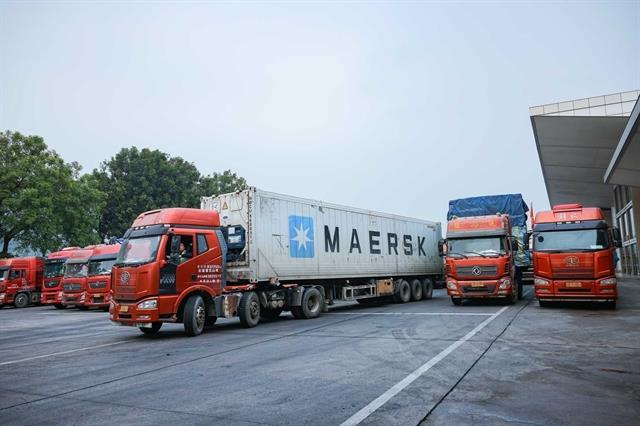
It is time for farmers, cooperatives and enterprises to embrace official export pathways to ensure sustainable growth and improved market access as recent challenges such as congestion at border gates and concerns regarding price and quality underscore the urgency for change.